 Eleanor Hartley
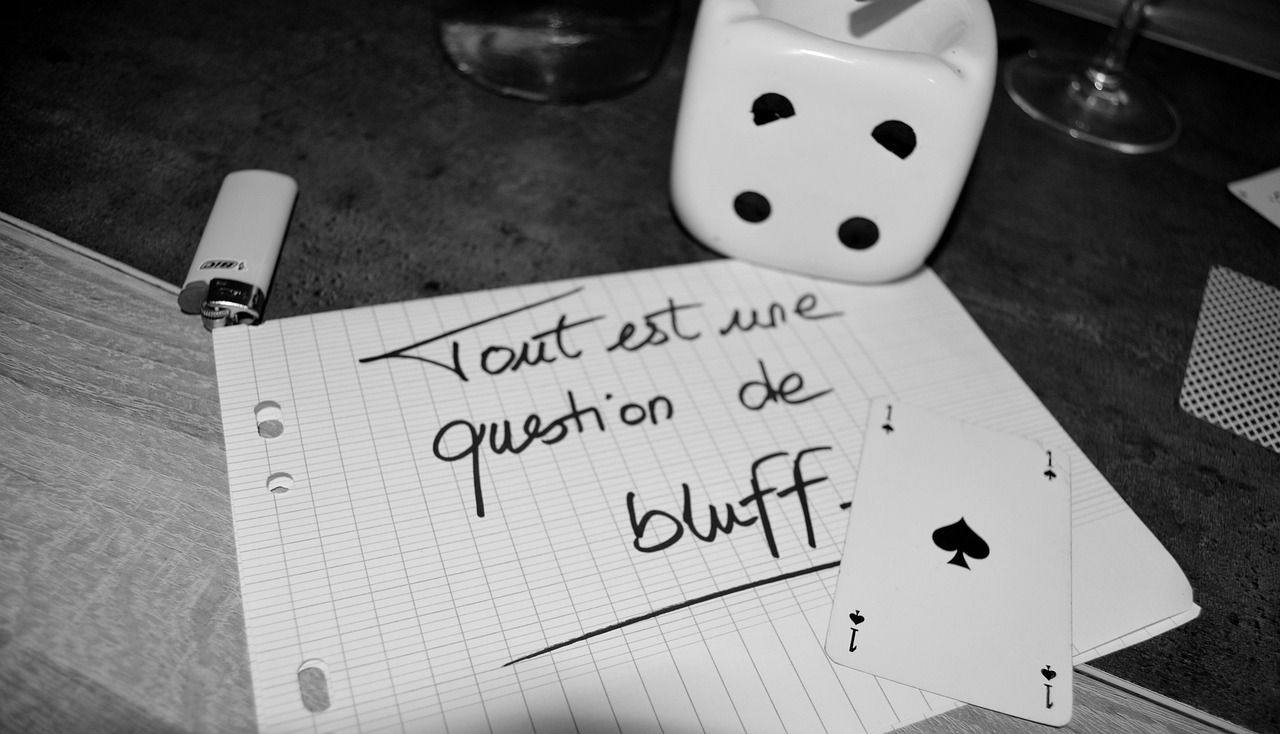
Ask ten gamblers why they play and you'll get twelve answers. The slot player loves the dopamine hit of a bonus cascade. The poker grinder is chasing an edge measured in fractions of a big blind. The sports bettor believes, deep down, that they see something the market doesn't. Strip away the personalities and there's one thing binding every corner of iGaming: math dressed up as entertainment. Understand that math, and you stop being the product — you become the player with a fighting chance.
Why Online Slots Feel Different From Land-Based Ones
If your only slot experience is a physical cabinet in a casino, the online version can feel oddly detached. That's by design. Online slots can run hundreds of spins per hour because there's no coin drop, no lever, no social friction. A land-based machine might see 600 spins an hour at full tilt; an online player clicking fast can push 1,000 or more. The volatility is identical on paper, but your bankroll burns faster because time compresses.
The number that actually matters is the RTP, or return to player. A 96% RTP slot returns, on average, $96 for every $100 wagered — over millions of spins, not per session. Confuse the two and you'll fall for the classic gambler's trap: "It hasn't paid all night, so it's due." Nothing is due. Each spin is independent unless the game explicitly uses a persistent mechanic.
- Low volatility (RTP 95-97%): frequent small wins, gentler swings. Good for grinding bonuses.
- Medium volatility: the sweet spot most casual players default to.
- High volatility (RTP often 96.5%+ but brutal swings): long dry spells, huge max wins. Requires 300+ spins of bankroll minimum.
A concrete example: Book of Dead sits around 96.2% RTP with high volatility. A 10-cent spin for 1,000 spins is only $100 wagered, but a swing of 200 spins without a hit will wreck a $50 bankroll. Do the multiplication before you spin, not after.
Poker Is Gambling — Until It Isn’t
Poker is the only major iGaming vertical where you play against other humans rather than a house edge. There's a rake, usually 5% capped at $3 in cash games, but that's the only structural tax. Everything else is skill, deception, and mental stamina. That single distinction is why the same person can be a losing sports bettor and a winning poker player.
Pros don't memorise thousands of hand charts for fun. They memorise them because GTO (game-theory optimal) play establishes a baseline from which you deviate exploitatively. It's the difference between a solver-approved 3-bet range and a 3-bet live-tell read. Amateurs notice the exploitative part but skip the baseline. The result is a player who thinks they're Daniel Negreanu but is leaking chips every orbit.
Three Habits of Profitable Poker Players
- They track everything. Hand histories, EV-adjusted winnings, position-by-position data. Without a tracker you're guessing at your own leaks.
- They study ratios, not gut feelings. Pot odds, implied odds, and equity realisation decide the hand — not "I feel lucky."
- They tilt-proof their schedule. A two-hour session after a bad beat is negative EV. Pros set a loss limit and leave the table, not just the tournament.
Bonus note: online poker has softened the old-school image, but the micros are predatory for a different reason — they're full of strong regulars studying for free against weaker traffic. Deposit $20 to "give it a go" and you're feeding the food chain. Play with a proper bankroll of 20-30 buy-ins, or treat it as paid education. A good place to continue is OK68.
Sports Betting: Where Odds Are Smarter Than You
Betting markets aren't just for entertainment — they're arguably the most efficiently priced gambling product on earth. The reason is obvious once you sit with it: sharp money floods every line the moment it goes wrong. A Premier League match with a 5% total house margin is practically the price of doing business; a random Egyptian second-division match might carry 12% margin because there's simply less sharp liquidity to correct it.
The most common losing strategy isn't bad picks — it's same-game parlays. Correlated legs get multiplied without accounting for correlation, so the book's edge balloons. A two-leg parlay between "Both Teams to Score" and "Over 2.5 goals" is correlated, yet the multiplier treats it as if the legs are independent. That's a free 5-10% edge for the book right there. If you love parlays, learn to recognise correlation and price the true probability before you click.
Want a concrete benchmark? To be profitable long-term against a 5% margin you need to win roughly 52.6% of coinflip bets. To beat a 12% margin you'd need 53.2%. That margin difference eats more bankrolls than bad picks ever do. Odds shopping across three or four books is the single highest-ROI habit in sports betting — and it takes five minutes.
The Signals Regulators and Casinos Share
One of the most under-covered realities of iGaming is how much data flows the other way. Licensed operators are legally required to monitor for problem gambling behaviour. Triggers include rapid session escalation, reverse withdrawal abuse, chasing losses after midnight, and multiple deposits in an hour. Online players assume they're anonymous; in reality, the data markers of someone spiralling are visible within a session or two.
Responsible gambling tools aren't just marketing fluff. Deposit limits, session reminders, loss limits, wager limits, and self-exclusion through programs like GAMSTOP are enforceable across every licensed site. Use them early. The players who set a $50 weekly deposit limit before they need one never face the painful choice afterward.
The Player’s Playbook
iGaming rewards curiosity, but it punishes illusions. The player who wins is not the one with the "luckiest" feeling — it's the one who spent fifteen minutes reading the paytable, checked the RTP, understood the variance, joined a soft poker table instead of a shark tank, shopped odds, and pre-committed to limits. That mix is closer to studying a menu than it is to rolling dice.
The technology keeps getting slicker — live croupiers rendered in 4K, AI-driven bonus engines, instant crypto payouts. But the underlying fundamentals never move. House edges are tight and constant; poker edges are earned; sportsbook margins eat careless bettors for breakfast. Treat gambling as entertainment first, cost-of-play second, and improbable jackpot third, and you'll still be at the table when everyone who chased losses has gone quiet. That clear-headed perspective, not the slot on your screen, is the most valuable piece of equipment in iGaming.


